Speeding Up Systems With Smart Storage
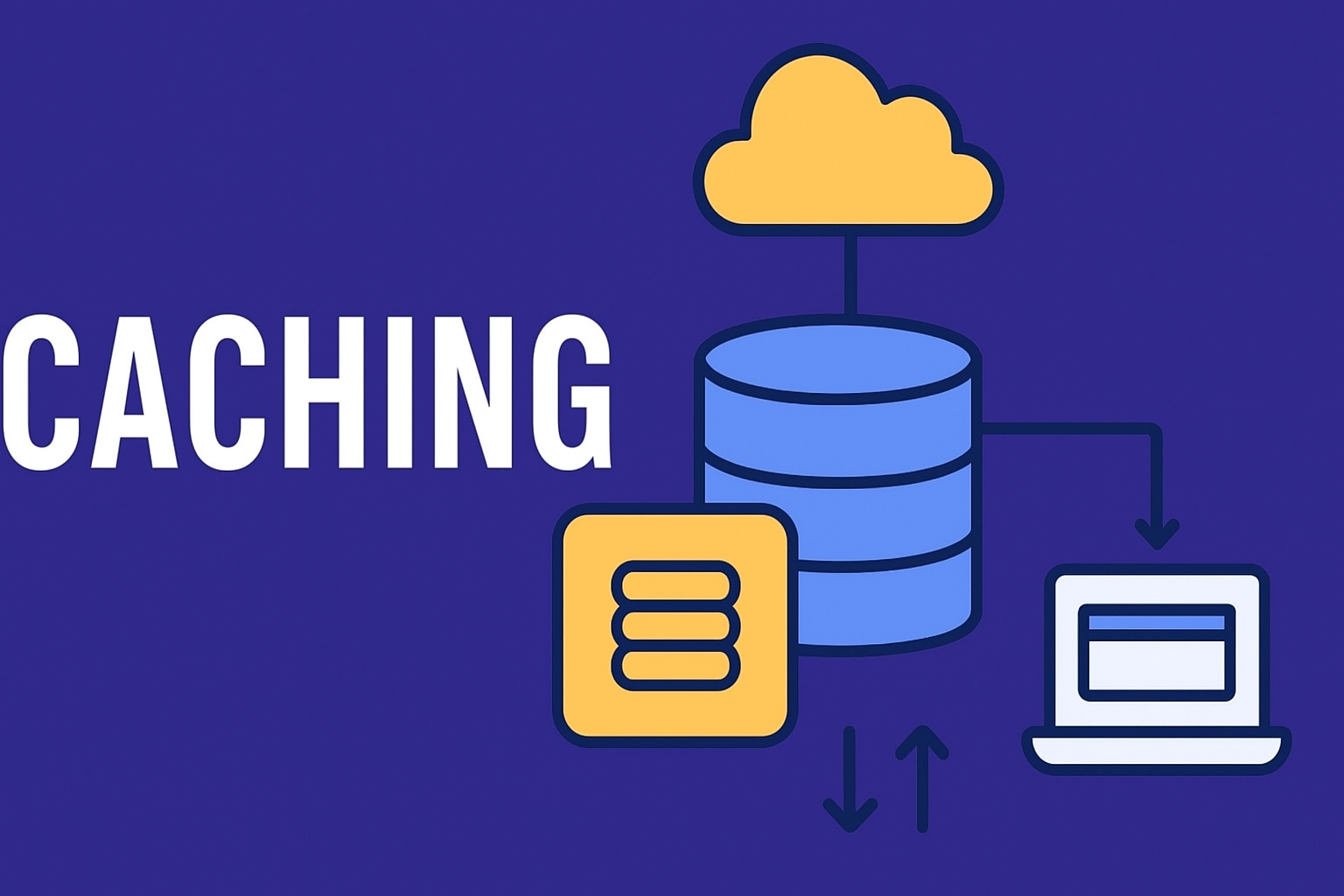
Caching involves storing frequently accessed data in a fast cache to reduce access latency. Improves system performance by minimizing data retrieval time. Reduces redundancy in data access.
Key Terms
1. Cache Miss
What It Is: Occurs when requested data isn’t found in the cache.
Impact: Requires fetching data from slower main memory, increasing latency.
2. Cache Hit
What It Is: Happens when requested data is found in the cache.
Impact: Allows quick retrieval, reducing access time.
3. Cache Invalidation
Definition: Marking cached data as invalid or outdated.
Purpose: Ensures that stale data isn’t used.
Cache Eviction Policy
Purpose: Decides which items to remove from the cache when full.
- LRU (Least Recently Used): Evicts least recently accessed item.
- LFU (Least Frequently Used): Evicts least frequently accessed item.
- FIFO (First-In-First-Out): Evicts the oldest item.
- Random Replacement: Evicts a random item.
- MRU (Most Recently Used): Evicts most recently accessed item.
Cache Write Strategy
- Write Through: Writes to both cache and main memory (ensures consistency, higher latency).
- Write Back: Writes to cache first, updates main memory later (fast but risk of inconsistency).
- Write Around: Writes directly to main memory, bypassing cache (avoids unnecessary caching).
Differences Between Cache and Databases
| Feature | Cache | Database |
|---|---|---|
| Purpose | Performance enhancement | Structured data storage |
| Data Durability | Sacrifices persistence | Prioritizes durability |
| Latency | Low | Higher |
| Data Management | Lightweight structures | Complex management |
| Lifespan | Short-term | Long-term |
Distributed Cache
Definition: A caching system across multiple nodes.
Benefits: Improves scalability, availability, and performance.
Caching Tools
- Redis: In-memory store, supports data structures, persistence, distributed caching.
- Memcached: Optimized for quick lookups, distributed, no persistence.
Content Delivery Network (CDN)
Definition: Distributed servers for efficient content delivery.
Why CDNs Are Needed
- Reduces latency
- Global reach
- Scalability
- Load balancing
- Content caching
- Dynamic content acceleration
- Security & reliability
- Improved user experience
- Bandwidth savings
Examples of CDNs
Akamai, Cloudflare, Amazon CloudFront, Microsoft Azure CDN, KeyCDN, Cachefly.
Tags
Related Articles
Caching Mistakes That Kill Performance
SIMPLE CACHING MISTAKES THAT SILENTLY SLOW DOWN YOUR BACKEND AND MAKE SYSTEMS FRAGILE In the previous part [https://akshatjme.medium.com/why-your-backend-stops...
How I Reduced API Latency by Using Caching
A practical look at caching strategy that reduced latency and stabilized backend performance.
From WebSockets to SSE: Real-Time Communication in System Design
When developing modern web or mobile applications, real-time data transmission has become a critical feature for delivering seamless user experiences. Technologies like WebSockets, Server-Sent Events, or real-time databases are often used to achieve this functionality efficiently.